Blog and News
 24 December 2025
Muftia Parasati
24 December 2025
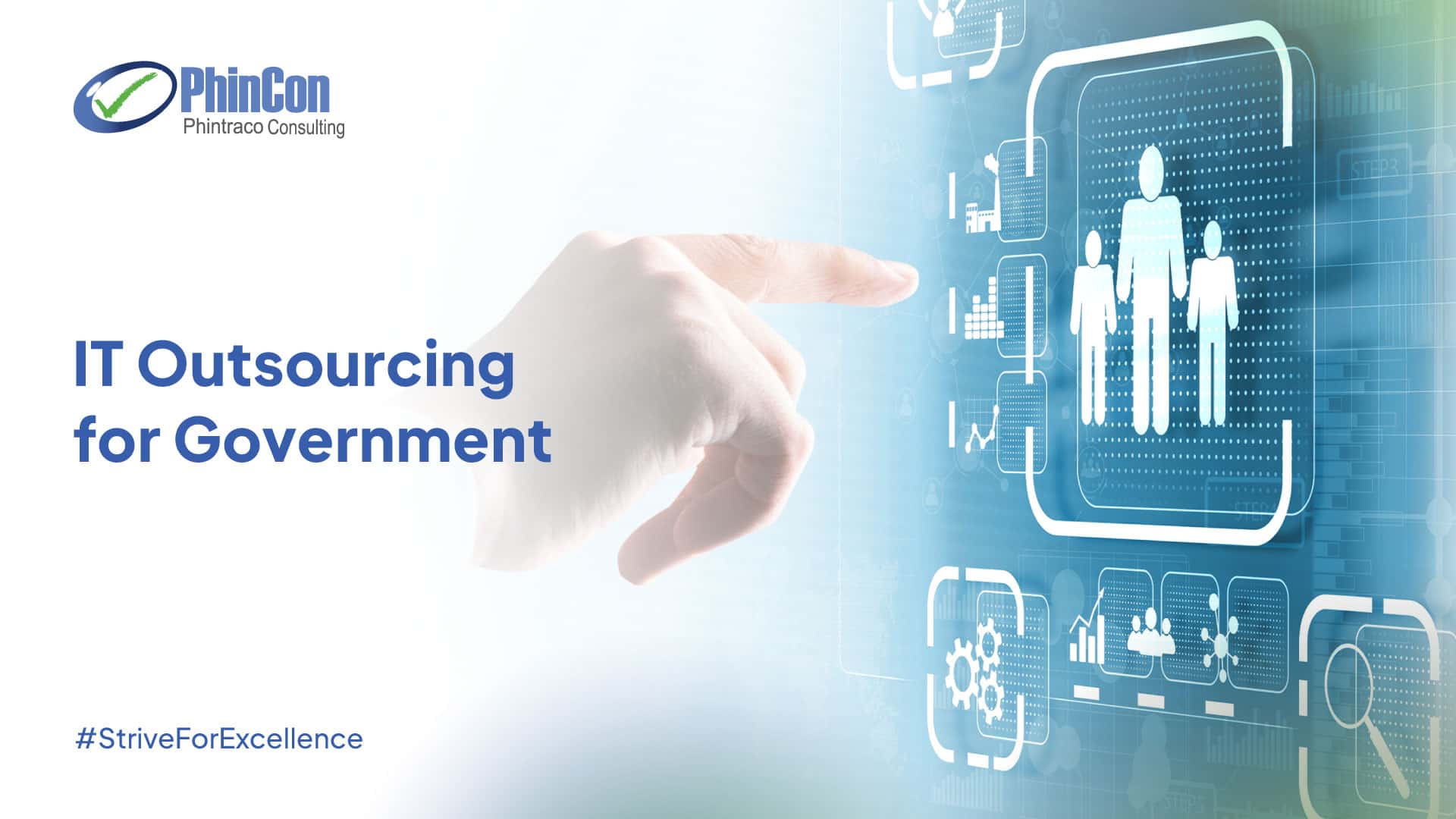
Muftia Parasati IT Outsourcing for Government: Driving Efficiency in Public Sector
The government today faces the challenge of keeping pace with rapid technological innovation while managing tight budgets and high public expectations. Building and maintaining IT systems internally can sometimes be complex and expensive. This is where IT outsourcing for government becomes the innovative solution. By outsourcing IT services, the government can access skilled professionals, modern tools, and flexible support without making heavy infrastructure investments. Let’s explore how IT outsourcing helps the government to stay adaptive and responsive to meet the citizens’ needs.
What is IT Outsourcing?
IT outsourcing is a strategic business practice in which companies hire external service providers to manage specific IT tasks, functions, or entire projects that can’t be handled internally. This can include services such as software development, network modernization and management, helpdesk support, cloud computing, cybersecurity, etc. The purpose of IT outsourcing is to gain access to specialized skills, reduce operating costs, and enable the company to focus on its core business activities.
Many companies across sectors, including the public sector, use IT outsourcing in their operations. IT outsourcing for government involves partnering with third-party vendors to handle various IT services. In addition to gaining specialized expertise and improving operational efficiency, it also helps governments keep pace with technological advancements without incurring heavy internal investment.
The Importance of Outsourcing IT Functions in Government
The government is under constant pressure to adapt to changing citizen needs and technological advancements. With limited resources, overcoming this challenge can be difficult. This is where IT outsourcing plays an important role in supporting the public sector.
Outsourcing IT functions helps the government save costs by reducing the need for full-time in-house IT staff, which can be expensive and inefficient when workloads fluctuate. By delegating IT management to specialized providers, the government can focus on core priorities and improve operational efficiency.
The government uses IT outsourcing services for reasons beyond cost-cutting and operational benefits. It is also a strategic tool to support rapid digital transformation in the public sector. IT outsourcing helps the government to access specialized expertise and advanced technology that may be unavailable or too expensive to acquire internally. By outsourcing IT, they can adopt innovative solutions and improve service quality to meet evolving citizen needs.
Benefits and Challenges of IT Outsourcing for Government
Outsourcing IT managed services for government comes with both advantages and drawbacks. Let’s take a look at the benefits and challenges presented by the IT outsourcing practice in the public sector:
Benefits of IT Outsourcing for Government
- Cost Savings: IT outsourcing reduces the need for a large in-house IT team and capital investments in infrastructure. The government can pay for IT services as needed, converting fixed costs into variable expenses, which is beneficial when budgets are tight.
- Access to Expertise: IT outsourcing enables the government to leverage specialized skills and advanced technologies that may not be available internally. This access supports innovation and ensures the best practices in IT management are implemented effectively.
- Improved Project Delivery: Experienced IT outsourcing helps government-owned projects be managed efficiently. They ensure successful project delivery amid tight budgets, regulatory compliance, deadlines, and multiple stakeholders.
Challenges of IT Outsourcing for Government
- Data Security and Privacy: Governments handle sensitive data, which can be risky if not handled properly. Third-party vendors, like IT outsourcing, increase the risk of data breaches. It is important to implement a strong legal framework to protect sensitive data.
- Dependence on Vendors: Relying too heavily on external providers, such as IT outsourcing, may create dependence. It will be difficult for the government to maintain control, transparency, and continuity if the outsourcing relationship deteriorates or the vendor fails to deliver.
- Contract and Performance Management: Governments must have robust contract management when collaborating with IT outsourcing. This is crucial to ensure service level agreements are met and risks are mitigated effectively.
IT Outsourcing Best Practices for Government
To ensure IT outsourcing works effectively, it is important to follow best practices when implementing it for the government. Let’s break down the practical steps needed to get the most out of IT outsourcing:
Define Clear Objectives
The first step is to define clear, measurable goals for any IT outsourcing project. This includes determining what services will be outsourced, the expected results, quality standards, and budget limits. Establishing clear goals helps prevent misunderstandings and potential extra costs, and ensures that both the government and the vendor work toward the same end line.
Choose the Right Vendor
The public sector project often operates on a whole different level than projects in the private sector. Selecting an IT outsourcing vendor with the right expertise, track record, and capacity to handle public-sector projects is essential to ensure success. The selection process not only considers cost, but also quality, reliability, risk management capabilities, and alignment with government values and standards.
Implement Robust Governance and Communication
Effective governance structures and communication channels between the government and the IT outsourcing vendor help maintain accountability and transparency. Governance should include clearly assigned roles and responsibilities, performance monitoring metrics (KPI), and regular reporting. Efficient governance and communication mitigate risks related to a lack of clarity and promote a proactive management approach.
Proactive Monitoring and Automation
Continuous monitoring of the outsourcing contract, IT performance, and service quality is important for detecting issues early and ensuring contract compliance. Automation tools can enhance monitoring, reduce manual errors, improve real-time visibility, and support decision-making. This proactive oversight helps to keep the projects on track and within budget.
Prioritize Security and Compliance
Given the sensitivity of government data and services, strict security measures and compliance with relevant regulations must be prioritized. Contracts should include stringent security policies, data protection requirements, and audit rights. This can safeguard public trust and protect against legal and operational risks.
Partner Now with PhinCon to Modernize Your Government IT Infrastructure
Modernizing IT infrastructure is a crucial step for government entities and BUMN to keep pace with digital transformation and meet the citizens’ evolving needs. PhinCon makes this process easier through our IT outsourcing solutions, connecting organizations to Indonesia’s top IT professionals. We handle everything —from sourcing and screening to recruitment, salary, and benefits management —so your organization can focus on public service delivery.
Our Resource Management Team ensures a quick and reliable hiring process, supported by a wide network of partners, hiring platforms, and PhinCon Academy graduates. Our IT roles include Android Developer, iOS Developer, Fullstack Developer, Golang Developer, Mobile Developer, Quality Assurance, DevOps, Business Analyst, Solution Architect, Project Manager, L2 Operation Support, and more.
With PhinCon as your partner, your organization can strengthen its IT capabilities and build more efficient public services. For more information regarding our IT outsourcing solutions, contact us at sales.sg@phincon.com.
Editor: Trie Ayu Feminin & Irnadia Fardila
Categories