Blog and News
 15 October 2025
Muftia Parasati
15 October 2025
Muftia Parasati Warehouse Automation: Developing Smarter Supply Chain
Many industries worldwide have implemented automation to streamline operations and improve efficiency. From manufacturing lines to customer service, automation changes how businesses operate, and the supply chain sector is no exception. Once dependent heavily on manual labour, warehouses in the supply chain are now adopting automation to handle growing demand, optimize workflows, and minimize errors. Let’s explore warehouse automation, including its types, how it works, and its benefits and challenges.
What is Warehouse Automation?
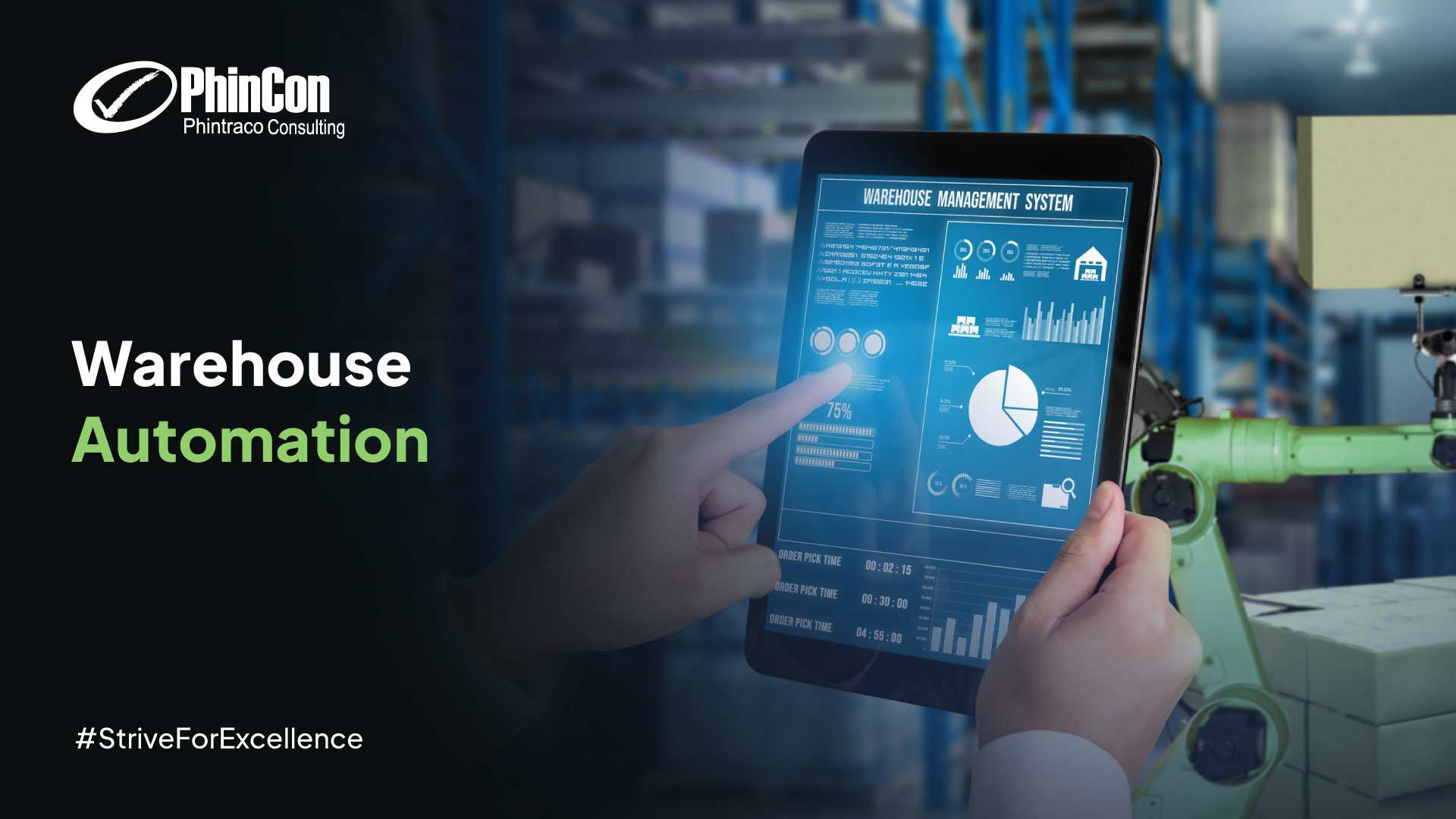
Warehouse automation uses advanced technologies to automate the movement and handling of inventory in a warehouse. This includes receiving, picking, packing, and shipping, as well as internal movements and quality checks. Warehouse automation is a crucial process in the logistics industry, as it can streamline workflows, enhance operational efficiency, and reduce manual errors. This process can eliminate labor-intensive duties that involve repetitive physical work and manual data entry and analysis, allocating human workers to more complex duties.
What are the Four Types of Warehouse Automation?
Warehouses can be automated in many ways, from streamlining operations such as picking, scanning, and vehicle handling to improving back-office tasks. Here are some of the most common types of warehouse automation:
Goods-to-Person Technologies (GTP)
Goods-to-person technologies focus on delivering items to human workers so they don’t have to walk around the warehouse to pick them up. Orders are entered into a system like an ERP, and automated machines bring the items to the picking area. This process is much faster than manual methods, helping companies cut costs and improve order accuracy and efficiency.
Automated Storage and Retrieval Systems (AS/RS)
Automated Storage and Retrieval Systems automatically store and retrieve items in designated areas using robotic cranes or shuttles. Warehouses often leverage AS/RS systems to pair them with a warehouse software system that manages the process and assists warehouse workers in processing orders.
Pick-to-Light Systems
Pick-to-Light systems utilize LED lights and alphanumeric displays installed on shelves or racks to guide warehouse workers directly to the correct picking locations. Workers scan a barcode on a tote or carton, which activates lights at the relevant storage locations, indicating the items and quantities to be picked. After picking, the worker confirms via a button, and the system guides them to the next area until the order is complete. This minimizes walking time, reduces dependence on paper records, and enhances productivity.
Autonomous Mobile Robots
Autonomous Mobile Robots (AMRs) are advanced robots with sensors, cameras, and navigation systems. It allows them to navigate warehouse floors and perform tasks like transporting goods, managing inventory, and assisting in order picking. Other AMRs use vacuums and trays to pick boxes and totes from warehouse shelves onto a mobile robotic cart.
How Does Warehouse Automation Work?
Warehouse automation integrates digital and physical technologies to streamline the movement and management of inventory in a warehouse from receiving to shipping. It uses software, robotics, and sensors to handle tasks once done manually. These technologies work alongside tools like inventory management systems to make processes faster and more accurate. A warehouse management system (WMS) plays a central role by automating manual tasks, tracking inventory, and analyzing data.
Warehouse automation uses two main types: digital and physical. Digital automation uses tools like barcode scanners and RFID to capture data quickly, reduce errors, and improve operational efficiency. It connects with systems like ERP to strengthen security and cut costs. Physical automation relies on machines like robots to reduce employee movement and create smoother workflows.
Read More: Real Time Tracking: Enhance Visibility and Control in Logistics
Benefits and Challenges of Warehouse Automation
The implementation of automation in warehouses brings both benefits and challenges, affecting overall goods and supply chain management:
Benefits of Warehouse Automation
- Increased Efficiency and Productivity: Automation speeds up tasks such as picking, sorting, packing, and storing. It reduces workers’ manual walking and handling time, leading to increased productivity while minimizing bottlenecks in processing orders.
- Cost Reduction: Automated warehouses can cut operational costs significantly. Fewer staff are needed, so there will be less overtime, and errors and returns will decrease due to higher accuracy. They also reduce waste and optimise inventory management to avoid overstocking or stockouts.
- Improved Accuracy: Warehouse automation reduces the risk of failure common with manual work, such as picking the wrong items. This will lead to fewer returns, higher efficiency, and better customer satisfaction.
- Enhanced Inventory Management: Automated warehouse systems provide real-time tracking and better control over inventory levels. This prevents overordering or stockouts and enabling smarter, data-driven decision making over inventory management.
- Safer Working Conditions: Automated warehouses streamline workflows and create safer working conditions for human workers. They no longer have to perform risky tasks like climbing or heavy lifting, lowering the likelihood of workplace accidents.
Challenges of Warehouse Automation
- High Implementation Costs: Setting up warehouse automation from scratch is very expensive, especially for small businesses. It needs robotics, software, and a reliable IT infrastructure to make it work. It requires careful cost-benefit analysis and strategic planning to ensure it doesn’t strain the company’s cash flow.
- Data Security and Compliance Challenges: Automation generates large volumes of data. It raises issues around data privacy, security, and regulatory compliance. Robust measures must be implemented to protect sensitive data and comply with industry regulations.
- Employee Resistance: While automation creates new high-tech jobs, it can replace workers in more traditional roles. Workers may fear job loss or hesitate to use new technologies, as they consider them “too much hassle”. Addressing this requires effective communication, training, and framing automation as augmenting rather than replacing employees. This might also include retraining and upskilling workers.
- Complex Integration: Integrating new automation technology with existing warehouse management systems, transport management systems, and other legacy infrastructure can be complex and time-consuming, requiring specialized expertise to avoid operational disruptions.
- Need for Specialized Skills: Implementing and maintaining automation systems regularly will require specialized skills, which can be difficult to find. In addition to recruiting new talent, companies can utilize IT outsourcing solutions to access professional experts rapidly and efficiently.
Read More: Top 10 Logistic Technology Trends to Watch in 2025
PhinCon: Empowering Supply Chain Through Modern Technology
Looking for experienced IT talents to implement warehouse automation and other technologies efficiently and without hassle? PhinCon got you covered. PhinCon provides IT outsourcing solutions to connect companies with IT talent. Whether you want to expand to Indonesia or for remote IT teams, our services offer access to the extensive network of Indonesia’s IT professionals at various levels and roles. Our IT roles include Android Developer, iOS Developer, Fullstack Developer, Golang Developer, Mobile Developer, Quality Assurance, DevOps, Business Analyst, Solution Architect, Project Manager, L2 Operation Support, and more.
We ensure a fast and reliable hiring process with the support of our dedicated Resource Management Team, a vast partner network, an extensive candidate database, and graduates from our PhinCon Academy IT bootcamp. Our solutions let you focus on your core business operations while we care for your IT resource management needs.
For more information regarding PhinCon’s IT outsourcing service, contact us at sales.sg@phincon.com.
Editor: Irnadia Fardila
Categories