Blog and News
 13 August 2025
Muftia Parasati
13 August 2025
Muftia Parasati Industrial Internet of Things (IIoT): Definition and How It Works
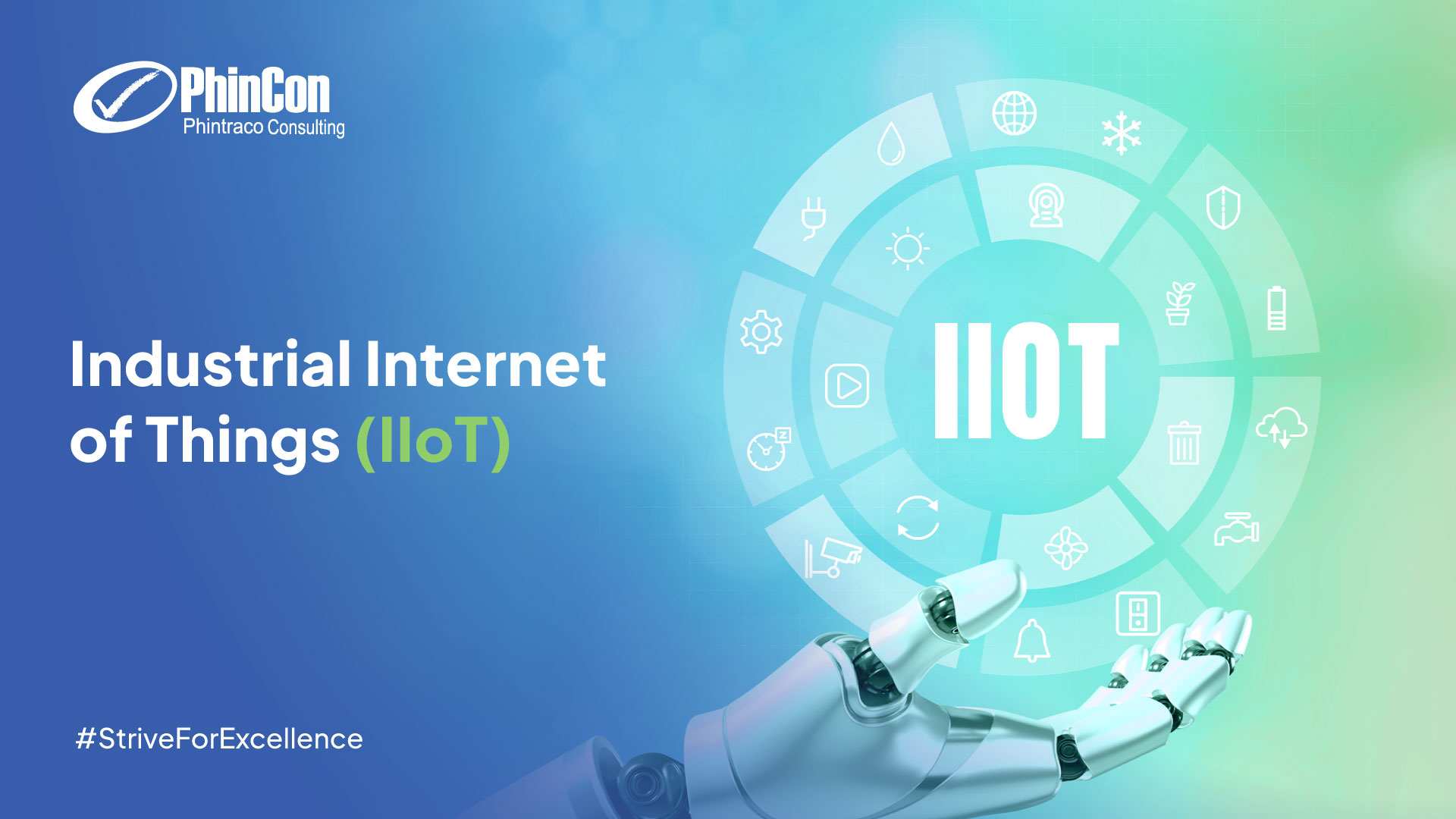
The Industrial Internet of Things (IIoT) changes industries’ operations by connecting machines, devices, and systems through smart sensors and real-time data exchange. This powerful network allows companies to optimize operations, improve efficiency, and reduce costs by enabling predictive maintenance, remote monitoring, and automation. Being the key driver of Industry 4.0, the IIoT unlocks new levels of insight for companies in industrial environments. Let’s dig deeper into the meaning of IIoT, how it works, and the benefits of implementing this system.
What is the Industrial Internet of Things (IIoT)?
Industrial Internet of Things (IIoT) refers to implementing Internet of Things (IoT) technologies within industrial environments such as manufacturing, energy, transportation, and utilities. IoT technologies can include smart sensors, devices, and advanced analytical platforms. These interconnected devices collect, monitor, exchange, and analyze data from industrial operations, enabling real-time data insights, automation, and improved decision-making.
IIoT helps companies detect inefficiencies and issues early, saving time and costs while supporting business intelligence. IIoT enables quality control, sustainability, supply chain traceability, and greater efficiency in manufacturing. It also supports predictive maintenance, field service improvements, energy management, and asset tracking in industrial environments.
How Does IIoT Work?
Industrial Internet of Things (IIoT) connects industrial machines, sensors, and devices through a real-time network that collects, transmits, and analyzes data. Sensors embedded in equipment gather detailed information such as temperature, pressure, vibration, and operational status. This data will be transmitted to centralized systems or cloud platforms where it is processed and analyzed using advanced analytics, artificial intelligence, and machine learning.
The insights derived from the IoT components enable companies to monitor equipment performance, detect inefficiencies, predict maintenance needs before failures occur, and optimize operations. Edge computing often plays a role by processing data locally near the source to reduce latency and bandwidth use.
What are the Examples of IIoT?
Here are several examples of how Industrial Internet of Things (IIoT) is being applied across industries to improve efficiency and drive smarter operations:
- Smart Manufacturing: Businesses collect data from customer feedback, media trends, and global markets. AI systems combine these insights to guide product development and quality control. In smart factories, IIoT-enabled machines and robots use this data to automate and optimize production.
- Energy Sector: Energy sector companies use IIoT-enabled smart grids and wind turbine monitoring to optimize energy distribution and turbine performance, reducing costs and increasing output.
- Transportation and Logistics: Real-time fleet tracking and predictive maintenance improve route planning, fuel efficiency, and reduce operational costs.
- Healthcare: Remote patient monitoring using IIoT devices enables real-time vital sign tracking. This will help personalize treatment for patients and enable early disease detection.
- Industrial Robotics: Companies use IIoT sensors to monitor robot maintenance needs and schedule repairs before failures occur, enhancing operational efficiency.
- Agriculture: Agriculture companies use industrial sensors to collect data about soil nutrients, moisture, and other variables, enabling farmers to produce the best-quality crop.
What is the Difference Between IoT and IIoT?
The Industrial Internet of Things (IIoT) extends the Internet of Things (IoT) in industrial environments. The key differences between IoT and IIoT lie in their scope, implementation, complexity, and requirements:
- Scope and Implementation: IoT mainly connects everyday consumer devices such as smartphones, wearables, smart home appliances, and fitness trackers to the internet to improve convenience and quality of life. While IIoT focuses more on industrial devices, including machines, sensors, and systems, to enhance operational efficiency.
- Complexity: While IoT devices perform simpler tasks like adjusting room temperature or tracking fitness data, IIoT handles complex and high-precision operations, such as real-time monitoring of production lines and automation of industrial processes, which require more advanced and robust technologies.
- Connectivity: IoT devices connect via common consumer protocols like Wi-Fi or Bluetooth, typically over home or office networks. On the other hand, IIoT demands specialized industrial communication protocols with high reliability, low latency, and secure, scalable infrastructure.
- Security: IoT security focuses on protecting consumer data with basic measures since device failure is usually inconvenient but not critical. However, IIoT requires stringent security, redundancy, and constant monitoring, as failures can cause fatal consequences, such as safety hazards and production downtime.
- Data and Analytics: IoT data is often simpler and aimed at personal convenience. However, IIoT generates large volumes of critical data for advanced data analytics, machine learning, and real-time decision-making to optimize industrial processes.
What are the Benefits of Implementing IIoT?
The benefits of implementing Industrial Internet of Things (IIoT) are extensive and transformative for industrial sectors. Some of the benefits include:
Increased Operational Efficiency
IIoT integrates physical machinery with connected sensors and software to collect and analyze real-time data. This enables operational optimization, reduces downtime, and enhances overall productivity. With IIoT, companies can create smoother production processes and streamline workflows to achieve operational efficiency and productivity.
Improved Safety
Industrial environments are prone to accidents or injuries. To prevent this, IIoT is implemented to continuously monitor machinery and environmental conditions like gas leaks, temperature, and air quality. It provides real-time alerts to prevent accidents and protect workers. IIoT devices can also be fitted with sensors to monitor physical interactivity between human workers and machinery to protect them from unexpected risk or repetitive strain.
Enhanced Quality Control
IIoT devices monitor production parameters in real time, detecting deviations early and preventing substandard products from reaching the market. This is important to ensure consistent product quality. It also supports faster innovation and improved production scheduling.
Increased Machine Lifespan
Devices and machines within IoT networks continuously send operational logs and performance data. AI and machine learning algorithms analyze this sensor data to uncover valuable insights, particularly for predictive and preventive maintenance. This approach can result in substantial cost savings and extend equipment lifespan.
Unlock the Power of Industrial Internet of Things with Trusted IT Experts from PhinCon!
Companies that want to succeed using the Industrial Internet of Things (IIoT) should partner with the right people. PhinCon Pte Ltd, with reliable IT outsourcing services, is ready to help companies unlock the power of IIoT. Whether expanding to Indonesia, needing local IT experts, or seeking remote IT professionals, PhinCon provides experienced IT experts at various levels and roles. Our IT roles include Android Developer, iOS Developer, Mobile Developer, Fullstack Developer, Golang Developer, Quality Assurance, DevOps, Business Analyst, Solution Architect, Project Manager, and L2 Operation Support.
Our services go beyond talent outsourcing. We also offer IT Talent Acquisition services, managing recruitment, payroll, benefits, and taxes, to help you focus on scaling your business without hassle.
Partner now with PhinCon to implement IIoT with the right people, at the right time, and the correct cost. For more information, email sales.sg@phincon.com.
Editor: Trie Ayu Feminin & Irnadia Fardila
Categories